
Reliable energy access is one of the most critical drivers of small business success. Across Zambia and much of sub-Saharan Africa, limited and unreliable electricity continues to restrict productivity, increase operating costs, and slow economic growth—particularly for small and medium-sized enterprises (SMEs).
According to the World Bank, businesses in sub-Saharan Africa experience power outages an average of 8 times per month, leading to losses of between 5% and 10% of annual sales. For small businesses operating on thin margins, these disruptions can be the difference between survival and closure.
Energy Constraints and Small Business Challenges
Without reliable electricity, small businesses face several obstacles:
- Limited operating hours due to lack of lighting
- Inability to use essential equipment and machinery
- High costs associated with diesel generators and fuel
- Reduced customer service and productivity
- Increased risk of equipment damage due to unstable power
The International Finance Corporation (IFC) notes that unreliable energy supply is among the top three constraints to SME growth in developing economies. Many entrepreneurs are forced to rely on generators, which can increase energy costs by up to three times compared to grid or renewable energy sources.
The Role of Clean Energy in Business Transformation
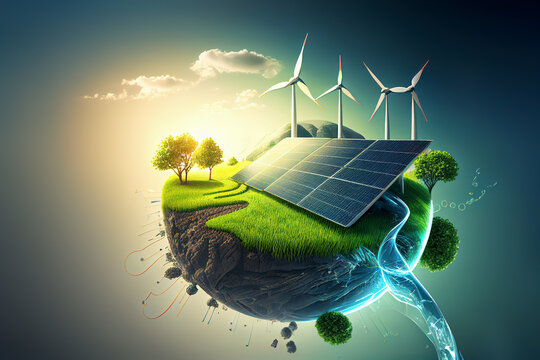
Clean energy solutions—particularly solar power, wind systems, and energy storage technologies—are proving to be practical, cost-effective alternatives for small businesses.
The International Energy Agency (IEA) reports that solar photovoltaic systems can reduce electricity costs for SMEs by 30% to 60% over their lifetime. Once installed, solar systems provide predictable, low-cost energy without exposure to fuel price fluctuations.
For businesses such as barber shops, welding workshops, agro-processing units, retail stores, cold storage facilities, and service centers, access to clean energy enables:
- Extended business hours
- Improved service delivery
- Use of modern equipment
- Lower operational costs
- Greater income stability
Energy Storage and Business Resilience
Energy storage systems play a vital role in ensuring uninterrupted operations. Battery storage allows businesses to store excess solar or wind energy for use during evenings or power outages.
The World Economic Forum highlights that businesses using energy storage solutions experience up to 50% less downtime compared to those relying solely on grid power. This reliability improves customer trust and operational planning.
Environmental and Social Benefits
Beyond economic gains, clean energy contributes to environmental sustainability. The International Renewable Energy Agency (IRENA) estimates that renewable energy systems produce up to 95% fewer greenhouse gas emissions compared to fossil fuel-based generators.
Reduced generator use also means less noise pollution and improved air quality—particularly important for businesses operating in dense residential areas.
Clean Energy and Financial Inclusion
Access to affordable energy strengthens financial inclusion. Lower operating costs allow small businesses to save, reinvest, and qualify for financial services such as loans and insurance.
Studies by the African Development Bank show that SMEs with reliable electricity are twice as likely to expand operations and employ additional workers. Clean energy, therefore, directly contributes to job creation and local economic development.
How St. Jamefas Supports Small Businesses Through Clean Energy
At St. Jamefas Trading Excel Money & Mining Transactions Limited, we recognize that energy access is a foundation for entrepreneurship and economic growth. Our clean energy solutions are designed to meet the practical needs of small businesses and community enterprises.
Our offerings include:
- Solar energy systems for shops, farms, and workshops
- Wind power solutions for suitable locations
- Energy storage and backup systems
- Energy efficiency technologies to reduce consumption
- Renewable energy consulting and system design
We work closely with entrepreneurs to identify the most cost-effective and scalable solutions, ensuring long-term value and operational reliability.
Conclusion
Clean energy is no longer a luxury—it is a strategic business asset. For small businesses, access to reliable, affordable, and sustainable energy directly improves productivity, profitability, and resilience.
As Zambia continues to pursue inclusive economic growth, clean energy solutions will play a central role in empowering entrepreneurs, strengthening local economies, and protecting the environment.
Call to Action
Looking to power your business with reliable and affordable energy?
St. Jamefas is ready to support your growth with clean energy solutions tailored to your needs.
📞 Contact our Clean Energy Team
⚡ Explore Sustainable Energy Solutions for Your Business