

For millions of households across Africa, cooking is still done using charcoal, firewood, or other traditional fuels. While these methods are familiar, they pose serious risks to human health, the environment, and household finances. Clean cooking solutions are increasingly recognized as a critical public health and sustainability intervention.
According to the World Health Organization (WHO), household air pollution from traditional cooking fuels causes approximately 3.2 million premature deaths globally each year, making it one of the leading environmental health risks worldwide. Women and children are the most affected due to prolonged exposure to indoor smoke.
Health Risks of Traditional Cooking Methods
Traditional cooking fuels release harmful pollutants such as carbon monoxide and fine particulate matter. Prolonged exposure can lead to:
- Respiratory infections
- Chronic lung disease
- Eye irritation and vision problems
- Increased risk of heart disease
- Higher child mortality rates
The WHO estimates that exposure to indoor air pollution increases the risk of pneumonia in children by over 50% and significantly contributes to long-term respiratory illness among adults.
Environmental Impact and Deforestation
Beyond health risks, traditional cooking fuels are a major driver of deforestation. The United Nations Environment Programme (UNEP) reports that charcoal production accounts for up to 70% of household energy use in many African urban areas, contributing significantly to forest loss.
Deforestation leads to:
- Loss of biodiversity
- Soil erosion
- Reduced agricultural productivity
- Increased vulnerability to climate change
Clean cooking solutions help break this cycle by reducing dependence on wood-based fuels.
Clean Cooking as a Sustainable Alternative
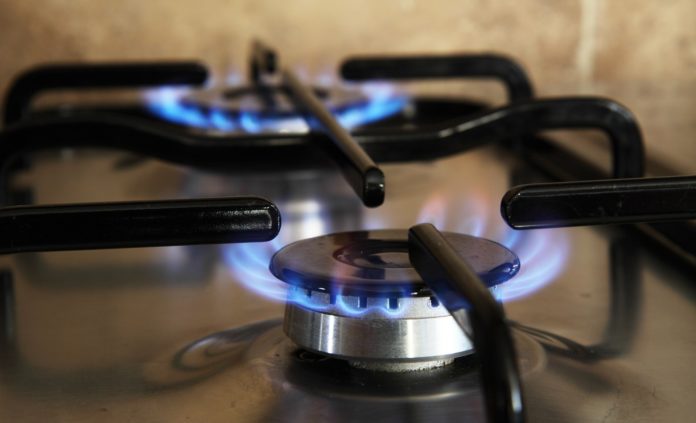
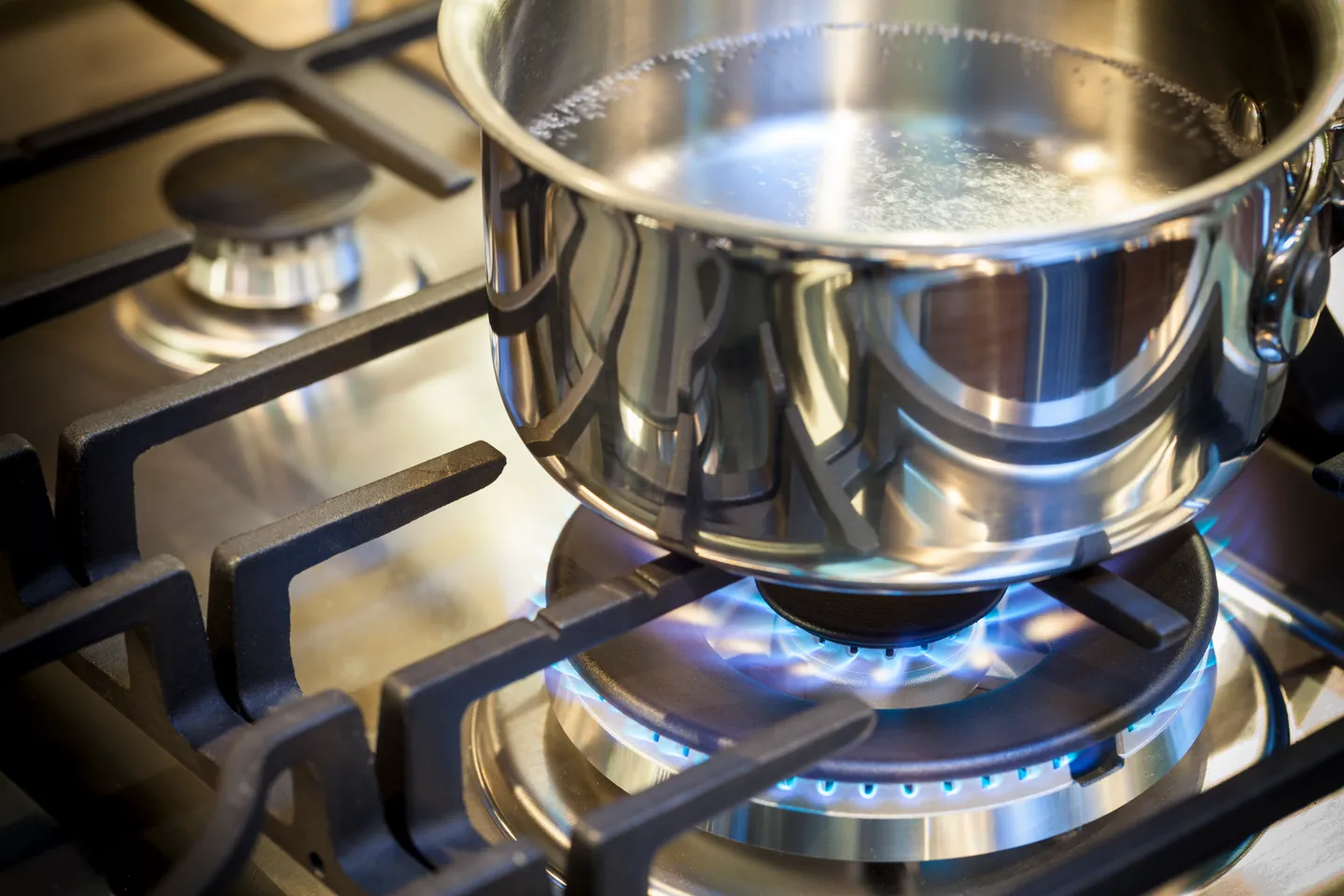
Clean cooking technologies such as biogas stoves, improved cookstoves, solar cookers, induction cookers, and clean fuels offer safer and more efficient alternatives.
Studies cited by the Clean Cooking Alliance show that improved cookstoves can reduce fuel consumption by 30–60% and lower smoke emissions by more than 80%. This translates into better health outcomes and significant household savings.
Clean cooking solutions matter because they:
- Reduce deforestation
- Produce less smoke
- Are affordable and long-burning
- Are suitable for both homes and institutions
Economic Benefits for Households and Institutions
Households using clean cooking solutions spend less on fuel over time. The International Energy Agency (IEA) notes that cleaner cooking technologies reduce long-term fuel costs while improving energy efficiency.
Institutions such as schools, clinics, and community kitchens also benefit from:
- Lower fuel expenses
- Cleaner cooking environments
- Faster and more efficient meal preparation
- Improved safety and hygiene
Clean Cooking and Gender Equity
Women and girls bear the greatest burden of traditional cooking practices, often spending several hours daily collecting firewood. The World Bank reports that access to clean cooking solutions frees up time for education, income-generating activities, and community participation—directly contributing to gender equality.
How St. Jamefas Promotes Clean Cooking Solutions
At St. Jamefas Trading Excel Money & Mining Transactions Limited, clean cooking is central to our commitment to health, environmental sustainability, and community empowerment.
Our clean cooking solutions include:
- Biogas stoves
- Solar cookers
- Improved cookstoves
- Electric induction cookers
- Clean cooking fuels such as ethanol and briquettes
We work with households, institutions, NGOs, and community programs to promote adoption of clean cooking technologies that are affordable, durable, and suitable for local conditions.
Long-Term Social and Environmental Impact
Adoption of clean cooking solutions leads to:
- Reduced respiratory illnesses
- Lower healthcare costs
- Preservation of forests and ecosystems
- Reduced greenhouse gas emissions
- Improved quality of life
The International Renewable Energy Agency (IRENA) emphasizes that clean cooking is essential for achieving global climate and health goals.
Conclusion
Clean cooking solutions are not simply about convenience—they are about saving lives, protecting the environment, and building healthier, more sustainable communities. Transitioning away from traditional cooking fuels is a vital step toward inclusive development and climate resilience.
Through practical, accessible clean cooking solutions, St. Jamefas is helping households and institutions move toward a safer and more sustainable future.
Call to Action
Looking to improve health, reduce fuel costs, and protect the environment?
St. Jamefas offers clean cooking solutions designed for homes, institutions, and community programs.
🔥 Explore Clean Cooking Solutions
📞 Contact Our Sustainability Team