



Microfinance has become one of the most effective tools for driving economic inclusion and supporting small-scale entrepreneurship, especially in developing economies like Zambia. For individuals and small businesses that lack access to traditional banking services, microfinance provides a critical pathway to financial independence and growth.
Across many communities, limited access to capital prevents people from expanding businesses, investing in education, or responding to emergencies. High interest rates and informal lending practices often worsen the situation, trapping households in cycles of debt. Microfinance addresses these challenges by offering affordable, accessible, and structured financial products tailored to real community needs.
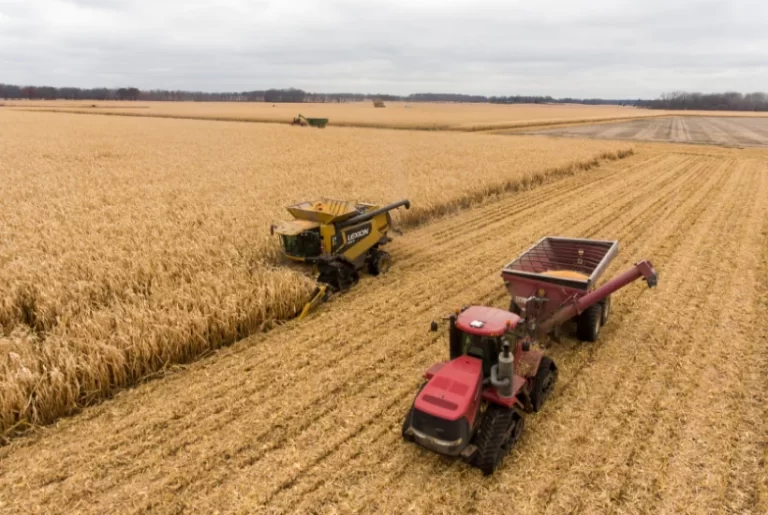
Village banking and small group loans, for example, promote collective responsibility and savings culture while enabling members to access credit. Salary-based loans and advances help employed individuals manage short-term financial shocks without resorting to predatory lenders. Agriculture loans support farmers with inputs and equipment, directly contributing to food security and rural development.
Beyond financing, financial literacy plays a crucial role. Training individuals on budgeting, saving, and responsible borrowing empowers them to make informed decisions and build long-term stability.
At St. Jamefas Trading Excel Money & Mining Transactions Limited, our microfinance solutions are designed not only to provide funding, but to strengthen livelihoods and promote sustainable economic growth. By combining accessible financial products with education and support, we help communities move from survival to stability and progress.
Conclusion
When implemented responsibly, microfinance does more than provide loans—it builds confidence, supports entrepreneurship, and strengthens local economies. It remains a powerful tool for inclusive development and long-term prosperity.