



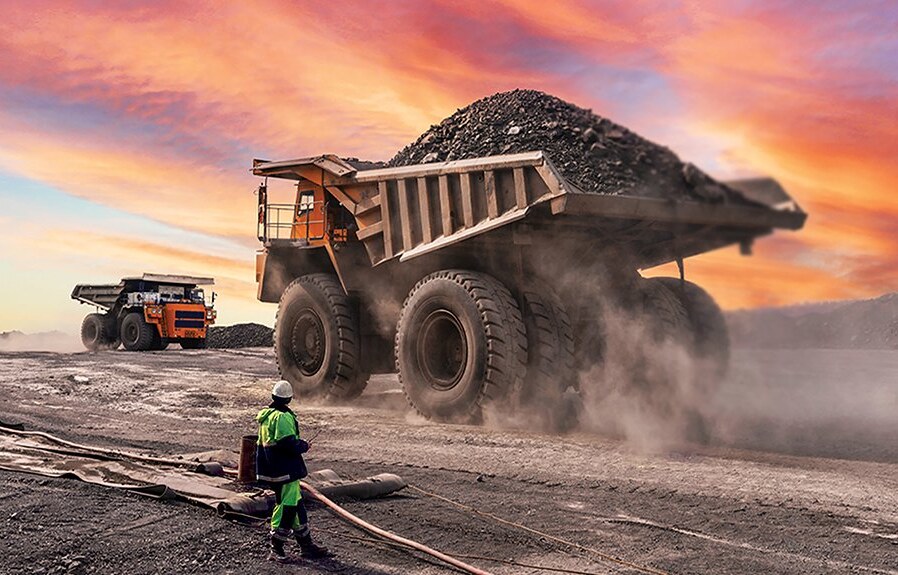
Mining remains one of Zambia’s most important economic pillars, contributing significantly to national income, employment, and export earnings. According to the Zambia Extractive Industries Transparency Initiative (ZEITI), the mining sector contributes approximately 12–15% of Zambia’s GDP and accounts for more than 70% of export revenues. However, without responsible practices, mining can also lead to environmental degradation, unsafe working conditions, and community displacement.
Responsible mining seeks to strike a balance—maximizing economic benefits while protecting people, communities, and the environment.
The Challenges of Conventional Mining Practices
Historically, mining activities in many regions have faced challenges such as:
- Environmental pollution of land and water sources
- Unsafe working conditions and accidents
- Limited community involvement and benefit-sharing
- Poor rehabilitation of mined land
- Illegal and unregulated mining activities
The World Bank reports that weak environmental and social governance in mining can increase land degradation by more than 40% and significantly reduce long-term community livelihoods.
These challenges highlight the need for ethical, transparent, and well-regulated mining operations.
What Responsible Mining Looks Like
Responsible mining is guided by internationally recognized standards that prioritize:
- Environmental protection and rehabilitation
- Worker health and safety
- Transparent mineral sourcing
- Community engagement and development
- Compliance with national and international regulations
The International Council on Mining and Metals (ICMM) emphasizes that responsible mining can reduce environmental impact by up to 30–50% when modern technologies and proper land management practices are applied.
Environmental Protection and Land Rehabilitation
One of the most critical aspects of responsible mining is environmental stewardship. Sustainable mining operations ensure that land disturbed during extraction is rehabilitated and restored.
The United Nations Environment Programme (UNEP) notes that effective mine rehabilitation can restore up to 80% of land productivity when properly planned and monitored. This allows former mining areas to be reused for agriculture, forestry, or community development.
Community Engagement and Social Responsibility
Mining operations often take place near rural communities. Without meaningful engagement, tensions can arise over land use, employment, and resource sharing.
Research by the African Development Bank shows that mining projects with structured community development programs are twice as likely to achieve long-term operational stability compared to those that exclude local stakeholders.
Responsible mining includes:
- Community consultations
- Local employment and skills development
- Support for social infrastructure
- Transparent communication
Health, Safety, and Workforce Protection
Worker safety is a cornerstone of ethical mining. According to the International Labour Organization (ILO), the mining sector is among the highest-risk industries globally. However, modern safety systems and training can reduce workplace accidents by up to 60%.
Responsible mining operations invest in:
- Safety training
- Protective equipment
- Risk assessments
- Compliance monitoring
How St. Jamefas Approaches Responsible Mining
At St. Jamefas Trading Excel Money & Mining Transactions Limited, responsible mining is central to our operations. We integrate sustainability, safety, and transparency into every stage of our mining activities.
Our mining solutions include:
- Ethical diamond, gold, ruby, and precious stone mining
- Environmentally conscious extraction methods
- Gemstone cutting, polishing, and value addition
- Jewellery design and manufacturing
- Gemstone appraisal and certification
- Mining consulting and compliance support
We work closely with regulators, communities, and industry partners to ensure our mining activities deliver shared value.
Economic Benefits of Responsible Mining
When properly managed, mining becomes a powerful driver of development. Responsible mining:
- Creates stable employment
- Supports local supply chains
- Generates government revenue
- Encourages skills transfer
- Strengthens community infrastructure
The World Bank highlights that responsible mining can increase local economic retention of mining revenues by 20–30%, ensuring benefits remain within host communities.
Conclusion
Responsible mining is not only an ethical obligation—it is a strategic necessity for long-term economic and environmental sustainability. By prioritizing safety, transparency, and community engagement, mining operations can generate prosperity without compromising future generations.
At St. Jamefas, we believe that mineral wealth should translate into shared growth, environmental protection, and lasting community development.
Call to Action
Looking for ethical, transparent, and sustainable mining solutions?
St. Jamefas is ready to support responsible mining, mineral processing, and consulting services.
⛏️ Request Mining Consultation
💎 Contact Our Mining Team